יום שני, 28 ביולי 2025

More Than Lights: Why Projection Mapping Is the Creative Heartbeat of Events

More Than Lights: Why Projection Mapping Is the Creative Heartbeat of Events

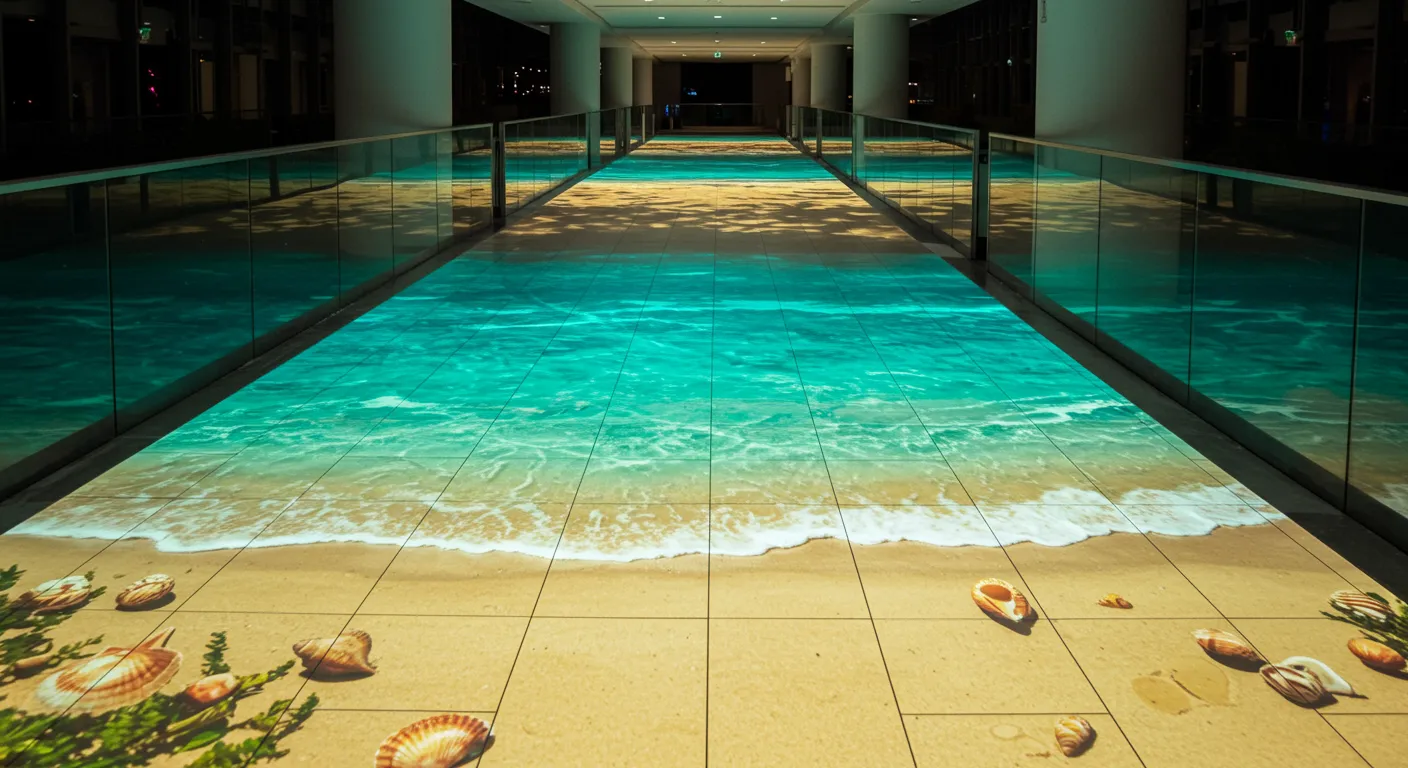
My first encounter with projection mapping was pure serendipity: I stumbled onto a tiny street festival where a crumbling brick wall suddenly became a swimming pool, dolphins and all. It didn’t take fancy glasses or VR gear—just staggering visuals launching straight into reality. Ever since, I’ve been hooked by how ordinary places and objects are reborn through this tech. In this post, I’m exploring how projection mapping is redefining creativity for events of all sizes and why it’s more than just dazzling lights—it's the following language for storytelling, connection, and wow factor.

Projection Mapping: What Magic Looks Like in the Wild

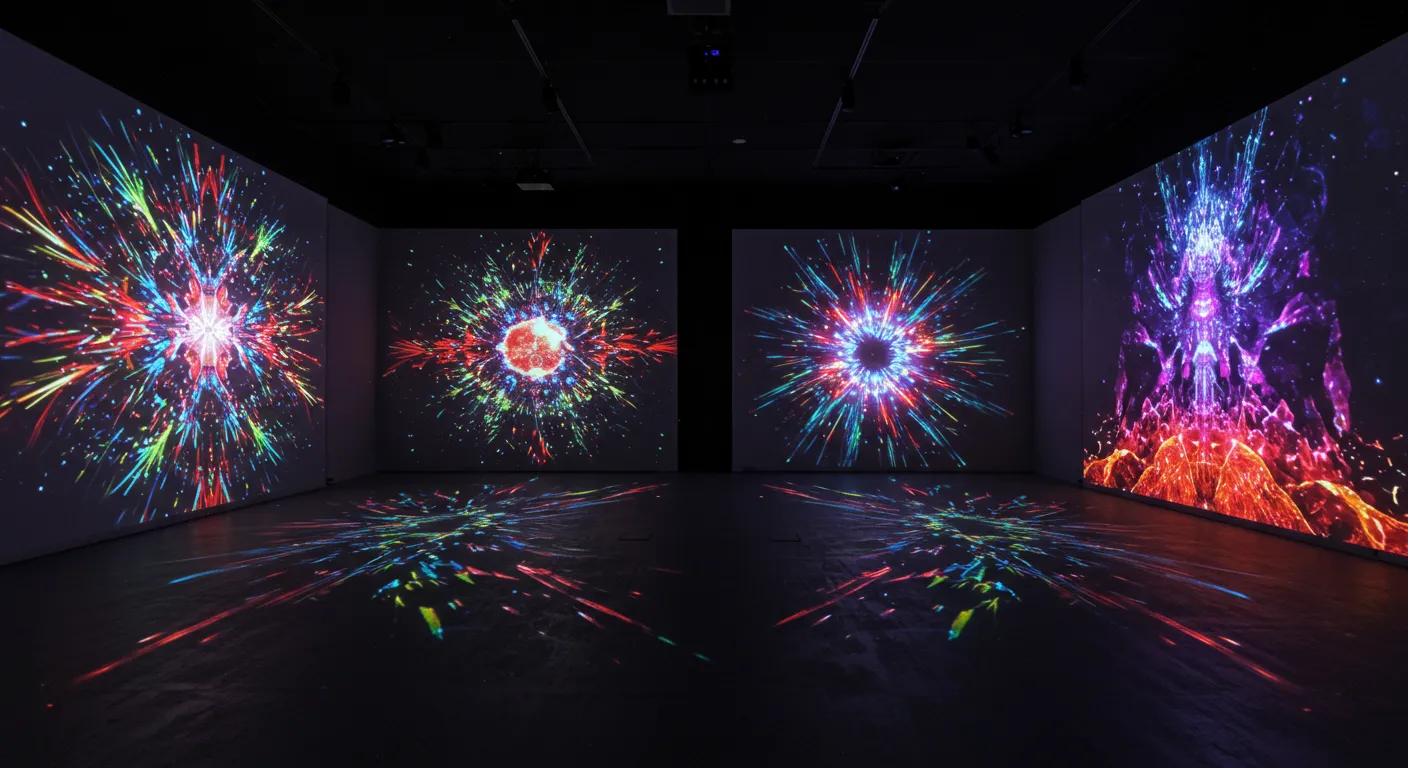
If you’ve ever walked past a building at night and seen it suddenly morph into a swirling canvas of color, movement, and story, you’ve witnessed the magic of Projection Mapping. It’s not just a light show—it’s a creative revolution that’s turning the world’s most unexpected surfaces into immersive experiences. And trust me, once you’ve seen a warehouse wall ripple like water or a cathedral burst into digital flames, you’ll never look at “blank space” the same way again.

Everything Is a Canvas: From Opera Houses to Living Rooms

What makes 3D Mapping so mesmerizing is its ability to transform literally anything into a stage. I’m talking about iconic landmarks like the Sydney Opera House, industrial silos that usually fade into the background, and even the side of your local museum. With the right technology—think Barco UDX projectors and Pulse software—these spaces become dynamic, living works of art.

I remember the first time my niece saw a projection mapping show. It was at a local science museum, where dinosaurs stomped across the walls and planets spun above our heads. Now, every time her birthday rolls around, she asks, “Can we have dinosaurs walking through our living room walls?” She’s convinced that if it can happen at the museum, it can occur at home. And honestly, with how accessible this technology is becoming, she might not be wrong.

Not Just for Show: Deepening Learning and Adventure

It’s easy to think of Projection Mapping as pure spectacle, but it’s so much more than that. Museums are using it to breathe life into history and science, turning static exhibits into interactive journeys. Theme parks like Legendia in Poland have embraced 3D mapping and augmented reality to create rides where dragons soar overhead and ancient myths unfold all around you. The result? Visitors don’t just watch—they feel like they’re inside the story.

Research shows that these immersive experiences are changing the way we engage with art, culture, and entertainment. The entertainment industry, in particular, is leaning hard into projection mapping for everything from concert tours to fashion shows. It’s not just about wowing the crowd (though it does that in spades); it’s about making every attendee feel like they’re part of something unforgettable.

Unexpected Canvases, Unforgettable Moments

  • City Landmarks: The Sydney Opera House has been transformed by Barco’s projection mapping, its iconic sails awash in digital art that draws tourists and locals alike.

  • Industrial Spaces: Warehouses and silos—like those featured in Barco’s global projects—become the backdrop for visual feasts, turning forgotten places into must-see attractions.

  • Festival Stages: At events like Elrow Town, festival-goers are surrounded by 3D visuals that pulse with the music, blurring the line between performer and audience.

  • Museum Halls: The Fuzhou Science and Technology Museum (opening 2025 in China) is set to use projection mapping to turn learning into a hands-on adventure.

  • Theme Parks: At Wuhan Theme Park and Legendia, rides powered by Barco projectors immerse visitors in stories that leap off the walls—literally.

The Technology Behind the Magic

So, how does this all work? At its core, projection mapping uses specialized projectors and software to “paint” moving images onto 3D surfaces. The tech has to be robust and precise. UDX projectors, for example, offer stunning color accuracy and can handle a wide range of materials, from rough brick to shiny metal. Their Pulse software streamlines the process, enabling seamless blending of images across even the most complex surfaces.

And it’s not just about temporary spectacles. Increasingly, cities and venues are investing in permanent installations—think art exhibits that evolve over time, or city landmarks that become canvases for seasonal celebrations. According to recent studies, the projection mapping market is booming, projected to reach $4.43 billion in 2025 and nearly double by 2029. The demand for immersive experiences in the entertainment industry, corporate events, and even advertising is driving this growth.

Projection mapping is technological magic at its most mesmerizing.

What I love most is that projection mapping invites us to see the world in a different light. Suddenly, anything can be a story. Anything can be alive. And sometimes, if you’re lucky, your living room might just turn into a Jurassic jungle—at least for one unforgettable birthday.


The Engines of Awe: Technology and Trends Fueling Growth

If you’ve ever stood in front of a building as it melted, danced, or exploded into color before your eyes, you know the feeling: projection mapping isn’t just a light show—it’s a full-body experience. But what’s really driving this creative heartbeat? Let’s pull back the curtain and see how technology, trends, and a dash of magic are fueling the explosive market growth of projection mapping.

Laser-Accurate Projectors & Next-Level Image Processing

First, let’s talk about the tech. Today’s projection mapping projectors are nothing short of miraculous. With laser-precise accuracy and jaw-dropping color fidelity, they can turn anything—red brick, shiny metal, even the side of a mountain—into a living, breathing canvas. The secret sauce? Breakthrough image processing that makes every pixel pop, even on the most irregular surfaces. I’ve seen Barco’s UDX projectors in action, and trust me, the clarity and brightness are unreal.

But it’s not just about the hardware. Software like Barco Pulse and DuraOptix® is quietly revolutionizing how we create and manage these spectacles. With features like zero-stress edge blending and image warping, even the most complex 3D mapping projects become manageable. No more sweating over misaligned visuals or color drift halfway through a show. It’s all about smooth, seamless performance—every single time.

Market Growth: The Numbers Tell the Story

Here’s where things get really exciting. Research shows the projection mapping industry is on fire. In 2025, the global market is expected to reach $4.43 billion, growing at a compound annual growth rate (CAGR) of 18.3%. And that’s just the beginning—by 2029, we’re looking at a projected value of $9.4 billion. What’s fueling this surge? Demand is booming across the board: live entertainment, museums, corporate events, advertising, and even theme parks are all jumping on the bandwagon.

It’s not just about scale, either. The appetite for immersive, interactive experiences is reshaping event strategies everywhere. Brands and artists want more than spectacle—they want meaningful engagement. As one industry insider put it:

‘The real value of projection mapping isn’t just spectacle—it's meaningful engagement.’

Wild Cards: Interactivity, AR, VR, and AI Integration

Here’s a wild thought: what if your projection mapping could react to the audience? Or even the weather? Some of today’s most advanced systems can do just that. Imagine a projection that shifts as people move, or adapts when a sudden rainstorm hits. It’s not science fiction—it’s happening now, thanks to real-time sensors, AI integration, and clever programming.

This is where Augmented Reality (AR) and Virtual Reality (VR) come into play. These technologies are no longer just buzzwords—they’re essential tools for boosting engagement and experience quality. Interactive projection mapping, where audiences can influence visuals with their phones or gestures, is quickly becoming the norm at festivals, exhibitions, and even corporate launches. Studies indicate that AR and VR integrations are among the hottest trends shaping the future of projection mapping.

Reliability and Longevity: The Unsung Heroes

Let’s not forget the behind-the-scenes heroes. All this dazzling creativity needs a rock-solid foundation. That’s where service models like Barco’s EssentialCare packages come in, ensuring projectors keep dazzling crowds night after night. Longevity and reliability aren’t just nice-to-haves—they’re must-haves when you’re lighting up city landmarks or powering a world expo.

Innovation Unleashed: No Limits, Only Possibilities

Everywhere I look, projection mapping is pushing boundaries. From the Sydney Opera House to the Champs-Elysées, no surface is too complex, no idea too ambitious. The combination of innovative projectors, smarter software, and reliable support is unlocking more ambitious, hybrid, and even interactive projection experiences. And as sustainability and AI integration become key differentiators—especially for corporate projects—the future looks even brighter.

In short, we’re living in a golden age for projection mapping. The engines of awe are running at full throttle, and I can’t wait to see what’s next.


Experiential Storytelling: From Corporate Events to City Pride

If you’ve ever sat through a corporate event that felt like it would never end, you’ll understand why projection mapping has become the creative heartbeat of modern event strategy. It’s not just another AV gimmick—this is the stuff that transforms a bland ballroom into a living, breathing story. Imagine the keynote speaker’s words coming to life on the walls around you, or the company’s values swirling in light across the ceiling. Suddenly, what could have been a snoozefest is now an interactive experience—and everyone’s reaching for their phones to capture it.

That’s the magic of projection mapping. It’s more than lights and color; it’s a way to turn any surface—no matter how odd or ordinary—into a canvas for experiential marketing. I’ve seen it firsthand: a simple product launch becomes a viral sensation, not because of the product itself, but because the entire room is transformed into a dynamic, immersive world. Research shows that brands and city planners are leaning into these interactive experiences, aiming for that elusive blend of in-person awe and online buzz.

But projection mapping isn’t just for the boardroom or the trade show floor. Cities around the world are using this technology to breathe new life into their landmarks. Take the Notre-Dame façade light shows in Paris or the dazzling displays at the Sydney Opera House—these aren’t just pretty visuals. They’re strategic moves in tourism and advertising applications, designed to make locals fall in love with their city all over again and to tempt travelers with the promise of something unforgettable. Suddenly, a forgotten monument is trending on social media, and the city’s brand is shining brighter than ever.

The impact on social media is impossible to ignore. When a city or brand pulls off a jaw-dropping projection mapping stunt, it doesn’t just stay local. Instagram, TikTok, and Facebook light up with videos and selfies. The reach multiplies, and what started as a physical event becomes a digital phenomenon. Studies indicate that this amplification is a key driver behind the growing demand for projection mapping in both corporate events and public installations. It’s a ripple effect—one immersive experience can spark thousands of online conversations.

And then there are the wild cards. I’ll never forget ducking into a tiny café during a rainstorm, only to discover the entire space had been transformed by projection mapping into an undersea world. Jellyfish floated across the walls, coral reefs shimmered on the tables, and for a moment, I forgot about the weather outside. I left with a selfie, sure, but also with a new perspective on what’s possible when creativity meets technology. That’s the real power of projection mapping: it invites us to step inside a story, to see the world—and ourselves—a little differently.

‘Great projection mapping doesn’t just tell a story—it lets the audience step inside.’

As we look ahead, it’s clear that projection mapping is more than a trend. The market is booming, with research projecting growth from $3.75 billion in 2024 to $9.4 billion by 2029. Advancements in 3D mapping, image processing, and artificial intelligence (AI) are making these experiences more accessible, flexible, and sustainable. Whether it’s a one-night-only pop-up or a permanent city installation, the technology is evolving to meet the needs of brands, cities, and audiences hungry for something new.

From dazzling corporate galas to nighttime art spectacles in public squares, projection mapping delivers immersive, memorable moments that audiences want to share. Its ability to reimagine spaces is fueling new strategies in branding, tourism, and civic engagement. The creative heartbeat of events isn’t just about what people see—it’s about what they feel, remember, and share. And in a world where attention is the ultimate currency, that’s a story worth telling.

TL;DR: Projection mapping transforms venues, brands, and even city landmarks into immersive storytelling canvases. Whether for business or art, it's the catalyst for unforgettable, future-focused events—and the next big thing for anyone seeking to truly engage an audience.

Other Services we provide

Special Effects, Event Lighting, Event Musicians, DJ, MC, Photo Booth, 360 Video Booth, Photo Booth Rental, Halo Photo Booth, Photo Booth Rental Near Me, tiktok Video Booth, Face Painting, Temporary Tattoos, Silent Disco, LED Screen Rental, LED Dance Floor rental, Bar Mitzvah DJ, Bat Mitzvah DJ, Projector and Screen Rental, Event Decoration, Photographer, Interactive Projection Mapping, Videographer for weddings.

יום ראשון, 20 ביולי 2025

Free Sample Packs Every Music Producer Should Try in 2025

Let me set the scene: It was 2am, I’d hit my creative wall, and every kick drum in my library suddenly sounded like someone tapping a cereal box. That’s when stumbling onto a fresh, high-quality, totally free sample pack felt less like finding a file and more like winning the creative lottery. In 2025, with the music industry advancing rapidly—thanks to AI music generation, immersive sound, and cloud-based production—discovering inspiring, royalty-free samples isn’t just useful, but essential. Let’s dig into 16 sample packs that can breathe new life into your productions, and along the way, I’ll share what makes them stand out (plus a couple of weird stories from the trenches).

Why Royalty-Free Isn’t Optional Anymore: The Producer’s Ethical Dilemma

If you’re making music in 2025, there’s one thing you can’t ignore: royalty-free samples are now the backbone of modern production. The days of grabbing any cool loop you find online and hoping for the best are long gone. With the explosion of streaming platforms like Spotify and YouTube, the rules have changed. If you want your tracks to reach listeners—and actually make money, you need to ensure that every sample you use is cleared and royalty-free.

Legal Distribution Demands Cleared Samples

Let’s be real: uploading a track with uncleared samples is a legal minefield. Platforms like Spotify, YouTube, and Apple Music have become stricter about copyright compliance. If you use a sample that isn’t royalty-free, your track could get flagged, taken down, or worse, you could face copyright claims and lose out on revenue. I learned this the hard way back in 2022. I’d finished a track I was proud of, only to discover that a vocal snippet I used wasn’t cleared. Hours of work, creative energy, and excitement—almost lost because I didn’t double-check the sample’s license.

Royalty-Free Packs: Your Creative Safety Net

This is where free sample packs and royalty-free libraries come in. They’re not just convenient—they’re essential. When you use royalty-free samples, you’re saving yourself from future headaches. No more chasing down rights holders, no more worrying about takedowns. You get to focus on what matters: making music and sharing it with the world.

Research indicates that the demand for royalty-free samples surged in 2025, driven by the expansion of online music distribution and the need for seamless monetization. As the audio industry trends toward immersive sound and AI-powered production tools, producers are seeking high-quality, cleared sounds that won’t hinder them legally or creatively.

Modern Libraries: Professional Sound, Zero Stress

One of the best things about today’s royalty-free sample libraries is the sheer quality and variety available. LANDR’s free packs, for example, deliver not just peace of mind, but also professional-grade sounds—everything from iconic drum breaks and huge 808s to lush synths and expressive vocals. These packs encompass every genre, including lo-fi, house, trap, disco, rock, and more. You’re not sacrificing sound quality for legality; in fact, you’re enhancing it.

As audio industry trends continue to evolve, we’re seeing more AI-driven tools and plugins that help producers discover, manipulate, and integrate royalty-free samples seamlessly into their workflow. This means less time searching and more time creating. The rise of cloud-based audio production and smart plugins—like LANDR’s Sampler—makes it easier than ever to find the perfect sound without worrying about copyright issues.

The Ethical Dilemma: Responsibility Meets Creativity

There’s also an ethical side to this conversation. Using licensed, high-quality samples respects the work of other creators and sets a professional standard. As Rory Seydel puts it:

"Using licensed, high-quality samples is the mark of a responsible, forward-thinking producer."

It’s about more than just avoiding lawsuits. It’s about building a reputation as someone who values both creativity and integrity. When you use royalty-free samples, you’re making a statement: you care about your craft, your audience, and the broader music community.

Why This Matters More Than Ever

The audio industry is moving fast. With trends like immersive sound, spatial audio, and AI-powered sound quality enhancement, the landscape is more competitive—and more exciting—than ever. Producers who stay ahead are those who embrace royalty-free resources, not just for legal safety, but also for creative freedom.

If you want to distribute your music, grow your audience, and keep your workflow stress-free, royalty-free samples aren’t just a good idea—they’re non-negotiable. The good news? There are more high-quality, free sample packs than ever before, covering every genre and style you can imagine. That’s not just a win for your music; it’s a win for your peace of mind.


Mix, Match, Repeat: What’s Inside 2025’s Most Inspiring Free Packs?

If you’re like me, there’s nothing quite like the thrill of loading a fresh batch of free sample packs into your DAW. It’s a bit like opening a mystery box—sometimes you find that one sound that sparks an entire track. In 2025, the landscape for producers is richer than ever, with curated packs that cover every genre and style. Whether you’re chasing lo-fi nostalgia, trap punch, disco grooves, or even rock grit, there’s a free pack waiting to inspire your next project.

Every Genre, Every Mood: The Ultimate Free Sample Pack Buffet

The beauty of today’s technology for producers is the sheer variety at your fingertips. LANDR’s 16 curated packs are a testament to this. You’ll find:

  • Lo-fi kits like Beat Maker Lo-Fi and Dusty Lo-Fi—think grainy vinyl, warm keys, and crunchy drums, perfect for chill beats and study playlists.

  • Trap essentials such as Free 808 Samples and Nonstop Creator, loaded with booming bass, crisp hi-hats, and vocal loops that channel the energy of modern hip hop.

  • Disco and house vibes in Say So Disco and Free House Samples, with funky basslines, groovy guitar licks, and bouncy drum loops that instantly transport you to a dancefloor.

  • Tech house and rock with Tech House Melodics and 702 Rocker, offering everything from oscillating synths to raw guitar riffs.

Honestly, no genre is left behind. If you want to experiment, you’re covered.

Nerd Out: Synths, Kicks, and the Art of Sample Chopping

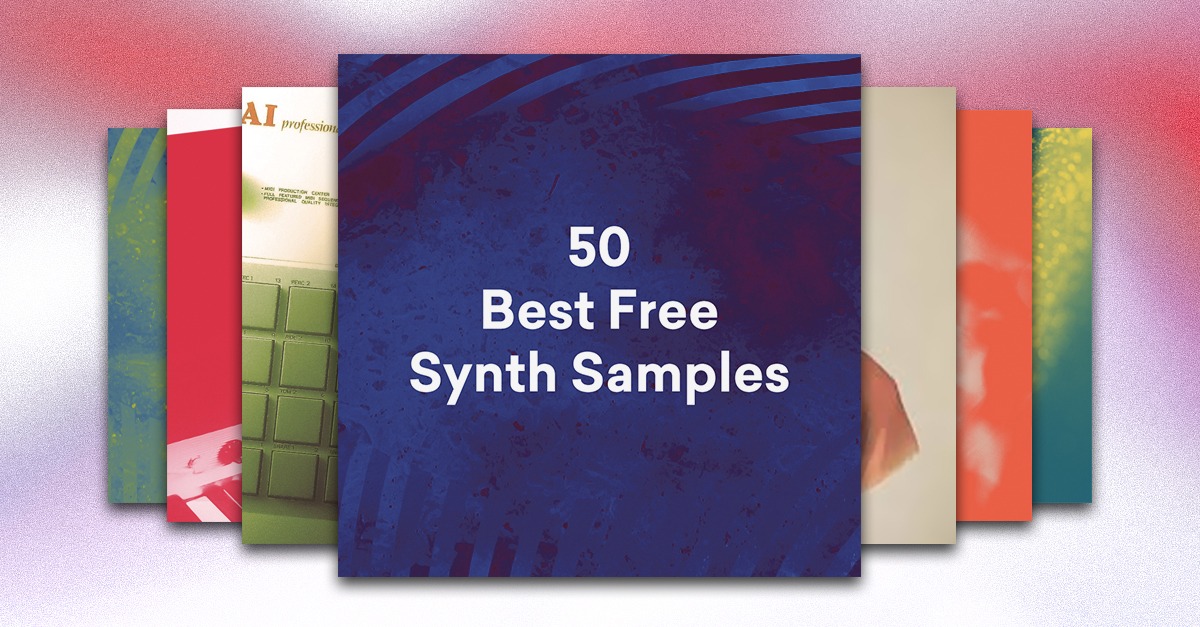
For those who love to dive deep, the 50 Best Free Synth Samples is a goldmine. There’s something magical about stumbling upon a Juno 60 bass or a shimmering one-shot that’s just begging to be chopped, reversed, or stretched. As Rory Seydel puts it:

"Sometimes it takes one special synth pad, lead line, or bass tone to inspire an entire track."

I’ve found this to be true time and again. Whether you’re crafting EDM, dubstep, or hip hop, these synth samples are a playground for sample chopping techniques. Modern production is all about taking a unique loop or one-shot and flipping it into something new—Anthony’s tutorials and countless YouTube channels echo this approach.

Ambient Layers: Foley and SFX for Sonic Depth

Let’s talk about the unsung heroes: Foley and SFX. Packs like Polymer bring in sounds you didn’t even know you needed—airport scanners, squeaking polystyrene, doors closing. These aren’t just quirky add-ons. They’re essential for building atmosphere and giving your tracks a sense of place. With audio-enhancing technology evolving, layering these textures can make your music stand out in a crowded field.

Signature Samples: Creative Jumpstarts

Every pack highlights a signature sample. For example, DIVA_Balaclava_Vocal_08_140BPM_WET from Butter Beats or LANDR_AJB_Bass Guitar_13_keyEmin_115bpm from Say So Disco. These aren’t just random picks—they’re creative jumpstarts. I still remember dropping the Say So Disco bass guitar loop into my session on a rainy afternoon. Suddenly, my living room turned into a dance party. That’s the magic of a well-chosen sample.

Why These Packs Matter in 2025

Research shows that staying updated with the latest music production tools and plugins is crucial for producers. Free sample packs are more than just a cost-saving hack—they’re a gateway to new genres, techniques, and trends. With the rise of cloud-based audio production and AI-powered sound manipulation, having access to royalty-free, high-quality samples is a must. They let you experiment without limits, and with LANDR Sampler, you can browse, audition, and drop sounds directly into your workflow.

In short, these 16 free sample packs are more than just collections of sounds—they’re invitations to explore, experiment, and push your music further. Whether you’re a beginner or a seasoned pro, the right sample can change everything.


Creativity Meets Technology: Riding the Wave of Audio Industry Trends

It’s impossible to ignore the rapid changes in the audio industry. As a music producer in 2025, I find myself constantly adapting to new tools, workflows, and creative possibilities. The intersection of creativity and technology isn’t just a buzzword—it’s a daily reality, especially when it comes to using free sample packs and the latest production trends. Let’s dive into how these trends are shaping the way we make music and why staying current matters more than ever.

First, let’s talk about AI music generation. Not long ago, the idea of a machine creating musical samples that actually inspired me felt like science fiction. Now, it’s my everyday toolkit. AI-powered models like Suno Music, Udio Music, and Stable Audio 2.0 are revolutionizing how we approach sampling. These tools don’t just spit out random loops—they analyze genre, mood, and even your personal preferences to generate fresh, royalty-free sounds. As Rory Seydel put it,

"AI is no longer a distant promise for creative audio—it’s an everyday tool for discovery."

That rings true every time I open a smart plugin like Rhino Star Midi Pack. The ultimate Multi Midi Files Sample pack for music production and songwriting. Our team created 100 timeless hit songs, melody lines, bass lines, and chord progressions in a Multi MIDI file (3 channels of Bass, Chords, and Melody in one file) so you can easily create a song of your own! This Multi Midi Pack contains the secrets of hit songs' chord progression, Melodies, and basslines in all dance music genres, created with advanced AI techniques.

But AI isn’t the only game-changer. Cloud-based audio production has completely transformed how I collaborate. Gone are the days of bouncing stems back and forth via email or worrying about version control. Now, I can work on a track with a friend halfway across the world, both of us tweaking samples and arrangements in real time. This trend is making music production more inclusive and dynamic. Whether you’re using a DAW or another cloud platform, the ability to create and share ideas instantly is a giant leap forward.

Of course, with all these new sounds and tools, frequency analysis and EQ have become even more important. As sample packs grow in size and diversity, it’s easy for mixes to get muddy or for specific frequencies to clash. I’ve learned that using frequency analysis isn’t just a technical step—it’s a creative one. By identifying problematic frequencies and making informed EQ decisions, I can ensure that my tracks sound polished and professional, regardless of the number of samples I layer in.

Sometimes, the most exciting moments come from unexpected places. I remember one session where I grabbed a random Foley sound—a door closing—from the Polymer sample pack. I layered it over a snare, just to see what would happen. Suddenly, my mix had a moody, cinematic vibe I hadn’t planned for. That’s the magic of combining technology with creativity: you never know where inspiration will strike.

Industry trends like spatial audio and immersive sound are also influencing how we use samples. Producers are now thinking beyond stereo, crafting tracks that envelop listeners in three-dimensional soundscapes. AI-powered plugins can help position samples in a virtual space, making the listening experience more engaging and memorable. And with smart hearables and bone conduction audio on the rise, the way we experience music is evolving right alongside how we create it.

Ultimately, riding the wave of audio industry trends means remaining open to new ideas and technologies. Whether you’re exploring AI music generation, collaborating through cloud-based audio production, or fine-tuning your mix with frequency analysis, the tools at your disposal have never been more powerful—or more accessible. Free sample packs are just the beginning. The real magic happens when creativity and technology meet, pushing the boundaries of what’s possible in music production. So go ahead, experiment with that wild Foley sound, let AI suggest your next drum hit, and don’t be afraid to collaborate across continents. The future of music is here, and it’s never sounded better.

The right royalty-free sample pack can significantly enhance your production capabilities. In 2025, the options are mind-blowingly good, so don’t miss out—refresh your toolset, stay legal, and let inspiration strike. Check the complete list for must-have (and thoroughly vetted) free packs.

Other Services we provide

Audio Visual, Special Effects, Event Lighting, Event Musicians, DJ, MC, Photo Booth, 360 Video BoothKaraoke Services, Arcade machine rental, tiktok Video Booth, Face Painting, Temporary Custom Tattoos, Wireless Headphones Party, LED Screen Rental, Sweet 16 DJ LA, Quinceanera DJ, Digital Manicure Nail Printing, LED Dance Floor, Bar Mitzvah DJ, Bat Mitzvah DJ, Projection mapping, Projector and Screen Rental, LED Robot, Event Venues, Event Decoration, Photographer, Videographer. הסעת עובדיםמיגון אש

יום שני, 14 ביולי 2025

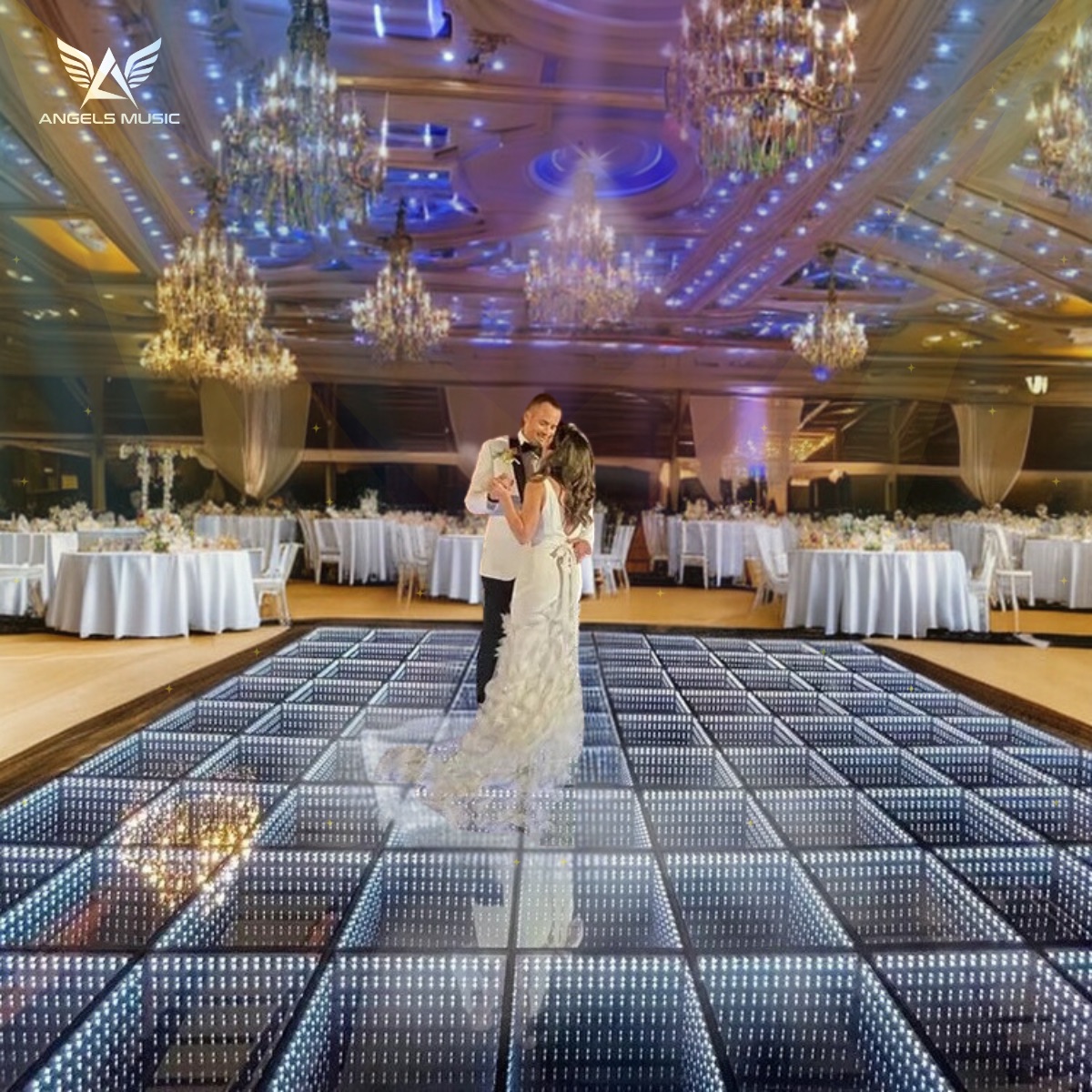
Why Your Dance Floor Install Could Use a Reboot: Exploring Wired vs. Wireless LED Dance Floors

Exploring Wired vs. Wireless LED Dance Floors

Let me start with a confession: the first time I tried to help install a dance floor, I ended up in a tangle of cables that resembled spaghetti more than a smooth LED masterpiece. Fast-forward to today, LED dance floors have gotten wild—some are cable-free, some still rock the old-school wires. In this post, I'm bringing you along as I go hands-on with two radically different installation styles, taking cues from Topdance LD Dancefloor Factory's latest models. Spoiler: Convenience isn't always what you expect.

LED Dance Floor Installation Tips

1. Cables or No Cables? Two Camps of LED Dance Floor Installation

When it comes to LED dance floor installation, I've noticed two main camps: those who stick with the classic wired setup and those who have adopted the new wave of wireless LED dance floors. Both have their place, but the differences in setup, speed, and practicality are hard to ignore, especially if you're in the rental business or working with tight event schedules.

Let's start with the weird LED dance floor. This is the traditional route. You get reliability, steady power, and, for some, a sense of security knowing everything is physically connected. But here's the thing: installation can turn into a real workout. There's cable wrangling, double-checking connections, and ensuring every tile is in the correct spot according to the wiring diagram. If you've ever spent an hour crawling around on your knees, trying to hide cables and keep everything tidy, you know what I mean. It's not just about plugging things in—it's about planning the layout, managing the wires, and making sure the power supply and controller are set up correctly. For permanent installations, this effort can be worth it. Once it's done, you rarely have to touch it again. However, for events that require quick assembly and teardown, wired systems can be a hindrance.

Wireless LED Dance Floor

Now, let's talk about the wireless LED dance floor. This is where things get interesting, especially for rental companies. The new generation of LED dance floors, such as those from Topdance LD's latest factory, are designed with zero cables in mind. Each tile is battery-powered and interlocks with the next, making setup almost effortless. You don't have to worry about tripping hazards or finding enough outlets. The whole process is streamlined—just lay out the tiles, lock them together, and you're good to go. If you're hustling to get an event space ready in record time, this is a game-changer.

'The battery Meganet is very fast to install and will save a lot of time in your event rental business.'

I've seen firsthand how much time wireless systems can save. Research indicates that wireless LED dance floor installations are significantly faster than wired models. There's no need to run cables or troubleshoot power issues between tiles. For events with tight schedules—such as weddings, corporate parties, or pop-up activations—quick assembly and disassembly are crucial. Rental companies, in particular, are drawn to these systems because they can set up and tear down multiple events in a single day without exerting themselves.

But, as with anything, there are trade-offs. Wired LED dance floors may still have the edge when it comes to consistent power delivery, especially for complex lighting effects that demand a steady current. If you're running a permanent installation in a club or venue, the reliability of a wired system may outweigh the convenience of a wireless one. There's also the consideration of battery life—wireless tiles need to be charged and maintained, which adds another layer to your event prep checklist.

How to Build a Dance Floor

We offer both options, recognizing that different clients have different needs. Their new factory is focused on cable-free innovation, but they haven't abandoned the wired models. It's about giving you the flexibility to choose what works best for your situation. If you're running a rental company and speed is your top priority, the wireless LED dance floor is probably your best bet. If you're installing a dance floor that will remain in place for months or years, the wired version may be the more sensible choice.

From what I've gathered, the installation steps for both types are similar in terms of preparation, including measuring the space, planning the layout, and ensuring the surface is clean and level. However, once you reach the actual assembly, the wireless system takes the lead. There's less room for error, fewer components to manage, and a much faster path from empty floor to fully lit dance space. For anyone who's ever had to tear down a dance floor at midnight, that's a huge relief.

LED Dance Floor Installation Tips

Ultimately, the decision between wired and wireless LED dance floor installation comes down to your priorities. Do you want reliability and power consistency, or do you need speed and portability? Rental companies and event planners are increasingly turning to wireless solutions for quick assembly and easy transportation. Permanent venues might still prefer the tried-and-true wired approach. Either way, the technology has evolved, and there's a solution for just about every scenario.


2. Preparation Misadventures: The Secret Ingredient to a Smooth Install


2. Preparation Misadventures: The Secret Ingredient to a Smooth Install

Let's be honest—when it comes to dance floor installation, the real drama often happens before the first tile even hits the ground. Whether you're working with a cutting-edge wireless LED dance floor or the classic wired model, installation space preparation is where everything can go sideways. I've learned this the hard way, and I'll admit: nothing humbles you faster than realizing your dance floor dimensions are off by a few inches, especially when the event clock is ticking.

Measure Twice, Shuffle Once

The first step in any successful installation is to confirm your dance floor layout and double-check those dimensions. I can't stress this enough. There was a time when I trusted my memory instead of my tape measure, and let's just say, the last-minute tile shuffle that followed wasn't my proudest moment. As manufacturer guidelines put it,

'Proper measurement and confirmation of dance floor dimensions are critical before installation.'

It sounds obvious, but in the rush of event prep, it's easy to overlook.

Premium LED Dance Floor

Clean Installation Area: The Unsung Hero

No matter how advanced your dance floor technology is—wired or wireless—it all starts with a clean installation area. Dust, debris, or even a stray cable can mess with the stability and lighting uniformity of your floor. Research shows that even cable-free, battery-powered dance floors require a clean and well-maintained setup space. I always recommend clearing the area thoroughly and giving the surface a quick sweep before opening the first box of tiles.

Wireless vs. Wired: Prep Still Matters

Wireless LED dance floors, like the battery mechanical models I've worked with, are a game-changer for event rentals. The promise of a cable-free setup is absolute—no more tripping over wires or hunting for power outlets. But don't let that fool you into thinking you can skip the prep. You still need to plan your dance floor layout, pre-arrange your tiles, and confirm that your power capacity is up to the task. The difference is that with wireless models, you're trading cable management for battery checks and ensuring every panel is charged and ready.

Wired LED dance floors, on the other hand, demand a bit more patience. You'll be following wiring diagrams, connecting power supplies and controllers, and making sure every tile clicks into place at the right angle. Manufacturer instructions emphasize not just a clean space, but also proper fixing angles to keep everything stable. It's a little more hands-on, but the payoff is a rock-solid, brilliantly lit floor—assuming you've done your homework.

Checklists: Your Secret Weapon

If there's one thing both models have in common, it's the value of a good checklist. I've learned to never start an install without running through a quick rundown:

  • Confirm dance floor dimensions against the event space

  • Clear and clean the installation area

  • Lay out tiles methodically before assembly

  • For wired models: check all cables, power supplies, and controllers

  • For wireless models: test battery levels and connections

It sounds simple, but skipping any of these steps can lead to headaches later. I've seen beautiful LED floors that never lit up because someone forgot to check the controller. Trust me, it's not a mistake you want to make when guests are already arriving.

Small Mistakes, Big Impact

What I've found is that minor missteps in installation space preparation—a missed measurement, a dusty corner, a forgotten power check—can snowball into major problems during busy event setups. Especially with LED dance floors, where uniform lighting and stability are everything, a little extra care upfront goes a long way. Whether you're setting up a quick rental with a wireless system or building out a permanent installation with cables, the secret ingredient is always preparation.

So, before you get dazzled by the technology or the promise of a fast install, take a breath. Measure your space. Clean your area. Organize your tiles. Because when it comes to dance floor installs, the real magic happens long before the lights come on.


3. When to Pick Wired Over Wireless (Yes, Sometimes Old School Wins)

When it comes to LED dance floor installation, the choice between wired and wireless (battery-powered) systems is not always straightforward. I've spent a considerable amount of time working with both, and I've seen how each option can shine—or fall short—depending on the event, venue, and even the crowd's mood. Sometimes, despite all the hype around wireless tech, the "old school" wired LED dance floor installation still comes out on top.

Let's start with the basics. Wired LED dance floors rely on a continuous power source connection. That means you need access to reliable electricity and, yes, you'll have to manage cables and connectors. The setup can take a bit longer, and you'll need to follow the wiring diagrams closely to ensure each tile is placed correctly. However, there's a trade-off: once everything is connected and tested, you achieve robust, uninterrupted lighting effects that last all night. There's no need to worry about battery life or sudden blackouts halfway through your event.

LED Dance Floor Installation Tips

Research indicates that a secure power source connection and proper controller setup are crucial for a wired LED dance floor installation. After laying out the tiles and connecting the system, a final inspection and test run help ensure the lighting is uniform and the effects look just as you imagined. This level of reliability is why wired floors remain the go-to choice for permanent installations, clubs, or any event where you simply can't risk the lights going out.

How to Build a Dance Floor

On the other hand, wireless or battery-powered LED dance floors have changed the game for event setup schedules. These floors are designed for speed and flexibility. If you're running a rental business or managing pop-up events, the ability to assemble and disassemble a dance floor in minutes is a huge advantage. No cables to trip over, no need to hunt for outlets. Just snap the panels together, power up, and you're ready to go.

But there's a catch. Battery duration is always a factor. While technology is improving fast, long events can push the limits of even the best batteries. I've seen parties lose their vibe when the dance floor goes dark before the last song. That's why it's crucial to check the battery specs against your event schedule. Overestimating battery life can ruin the experience for everyone. If you're planning a short event or need to tear down quickly, wireless is probably your best bet. For anything longer, especially if you can't afford any downtime, wired might be the safer choice.

I often get asked which system is better for rentals. My answer usually echoes what I've heard from industry pros:

'If you need an LED Dance Floor for a rental business, the battery LED Dance Floor is the best one. And if you use the Dance Floor for the permanent installation, then you can use the model with Cables.'

In other words, wireless is king for speed and convenience, but the classic wired setup still has its place, especially when reliability is non-negotiable.

LED Dance Floor Installation Tips

It's also worth mentioning that proper planning makes all the difference. Whether you're installing a wired or wireless LED dance floor, measuring your space, prepping the surface, and following the manufacturer's instructions are key. For wired installations, this means double-checking every power source connection and ensuring the controller is correctly set up. For wireless, it's about confirming battery levels and ensuring the panels are securely locked together. Ultimately, the decision comes down to your event's specific needs. If you have steady access to power and don't mind a few extra steps, a wired LED dance floor installation delivers unbeatable reliability and lighting quality. If you're working with tight event setup schedules or need maximum portability, wireless floors are hard to beat—just keep an eye on those batteries.

Premium LED Dance Floor

As LED dance floor technology continues to evolve, both options are getting better. However, sometimes sticking with the tried-and-true wired approach is still the most prudent move. It's not about which is newer or flashier; it's about what works best for your event, your venue, and your peace of mind.

Wireless LED dance floors excel in terms of setup speed, but wired models still meet the specific demands of certain events. Know your needs, and you'll pick the perfect fit.

Other Services we provide

Audio VisualSpecial EffectsEvent LightingEvent MusiciansDJMCPhoto Booth360 Video BoothKaraoke ServicesArcade machine rentaltiktok Video BoothFace PaintingTemporary Custom TattoosWireless Headphones Party, LED Screen RentalSweet 16 DJ LAQuinceanera DJDigital Manicure Nail PrintingLED Dance FloorBar Mitzvah DJBat Mitzvah DJProjection mappingProjector and Screen RentalLED RobotEvent VenuesEvent DecorationPhotographerVideographer. הסעת עובדיםמיגון אש

On the Screen: How Projectors Turn Spaces Into Spectacles

On the Screen: How Projectors Turn Spaces Into Spectacles

Walk into any grand lobby or themed museum, and odds are, you’ve seen light do impossible things—all thanks to projection. But let’s be real: the first time someone explained lens shift to me, I thought it was some kind of dance move. Welcome to the world of projector Rental, where high brightness meets high ambition, and cinemas, boardrooms, and even sports leagues swap paint for pixels. So, why does a “Laser Light” matter more than your popcorn butter? Let’s nudge back the curtain on projection that outsmarts the obvious.

Getting Real: Why Projectors Aren’t Just for Cinephiles

Let’s be honest—when most people hear “Projectors,” they picture a plush cinema, velvet ropes, and maybe a bucket of popcorn. But here’s the thing: Projectors are way more than just a cinephile’s dream. These machines are popping up everywhere, from the heart of China’s science museums to the wildest themed adventure parks, and even in art exhibitions where the opening night spills out into the street. If you think projectors are just for movies, you’re missing out on a whole world of spectacle.

From Science Museums to Theme Parks

4k Projectors have a passport that’s stamped all over the globe. They’ve powered the grand opening of the Fuzhou Science and Technology Museum, lit up China’s largest indoor adventure theme park, and transformed the Bordeaux cathedral into a luminous masterpiece. These aren’t just one-off events, either. Large venue projectors are built to handle the scale and drama of massive installations, whether it’s a museum lobby, a boardroom, or the middle of a bustling city square.

Projector Accessories

It’s not just about size, though. The Christie large venue projector, for example, delivers a jaw-dropping 30,000 lumens. That’s enough brightness to make even the most stubborn sunlight go down. Meanwhile, the Barco RLM W14 packs 14,000 lumens into a more compact package—perfect for spaces that need punchy visuals without the bulk.

Installation Projectors vs. Rental Projectors: What’s Your Wild Idea?

Here’s where things get interesting. Barco doesn’t just make one type of projector and call it a day. Their lineup is split between installation projectors and rental projectors, each with its own strengths.

  • Installation projectors are the go-to for museums, theme parks, lobbies, and boardrooms. They’re designed for flexibility, with options for ultra-short-throw to long-throw lenses, and they play nice with a vast range of third-party accessories. Basically, if you want something permanent (or semi-permanent) that just works, this is your jam.

  • Rental projectors are the rockstars of the events world. Think concerts, festivals, and pop-up exhibitions. They’re built to be rugged, road-ready, and easy to set up and tear down. High brightness? Check. Superb color rendering? Double check. These projectors are all about versatility and reliability under pressure.

So, whether you’re planning to wow a boardroom or blow minds at a music festival, there’s a Barco projector that fits your wildest idea.

Not Just Cinema: Simulation, Projection Mapping, and Boardroom Reinvention

Sure, Barco Projectors are legends in the cinema world—especially with their best-in-class 2K and 4K laser cinema projectors. But their talents don’t stop at the silver screen. Simulation projectors deliver lifelike experiences for training and education, while projection mapping turns ordinary walls and buildings into living canvases. Boardrooms? They also receive a serious upgrade, featuring razor-sharp images and HDR capabilities that make every presentation stand out.

Research shows that flexible configurations and high brightness make them a favorite for immersive events and creative installations. Their Projector+ screen, along with features like 4K resolution and laser illumination, ensures you get not just great images, but also reliability and ease of use. And with remote fleet management via the Barco Insights Management Suite, even the most complex setups are a breeze to control.

Anecdote: Over 100 Laser Units, One Unforgettable Night

Here’s a story that’s become a bit of a legend in the projection world. Picture this: an immersive art exhibition, powered by more than 100 laser projectors. The visuals were so stunning, so lifelike, that the opening night crowd literally spilled out into the next street. The images were razor-sharp, the colors impossibly vivid.

That’s the kind of impact Projectors can have—turning any space, no matter how big or small, into a full-blown spectacle. Whether it’s cinema, simulation, projection mapping, or just making a boardroom feel a little more epic, Barco’s got the tech (and the track record) to make it happen.


Laser Light and 4K: Flick the Switch and Change Everything

Let’s be honest—when most people think about Laser Projection, they picture something out of a sci-fi blockbuster. Neon beams, futuristic vibes, maybe a robot or two. But here’s the twist: laser light isn’t just for the movies anymore. It’s quietly transforming real-world spaces, from cinemas and museums to theme parks and even the occasional wedding dance floor. And the best part? It’s not just about the “cool” factor (though, let’s face it, that’s a big part of the appeal). It’s about cost savings, reliability, and simplicity that makes you wonder why we ever put up with those old, fussy lamp systems in the first place.

Why Laser Light Isn’t Just for Sci-Fi Movies

Traditional lamp-based projectors had their moment. But anyone who’s ever had to swap out a burnt-out bulb in the middle of a big event knows the pain. Lamps fade, flicker, and eventually fail—usually at the worst possible time. Enter the Laser Light. This isn’t just a new bulb; it’s a leap forward in projection tech. Research shows that laser light sources offer a much longer lifespan compared to traditional lamps, which means fewer interruptions, less maintenance, and way less stress for anyone running the show.

But it’s not just about longevity. Laser projection delivers a level of image quality that’s hard to unsee once you’ve experienced it. We’re talking richer colors, sharper details, and a brightness that doesn’t fade over time. Whether you’re lighting up a cathedral with intricate projection mapping or running a marathon of movie nights, laser keeps things looking fresh and vibrant from the first frame to the last.

Swapping Aging Lamps for New-Age Laser: What It Actually Looks Like

So, what’s it really like to make the switch? Imagine saying goodbye to regular lamp replacements, recalibrations, and the constant worry that your projector might call it quits mid-show. With Laser Light available for select models like the Christie, Barco, and Panasonic, users get a serious boost in both performance and peace of mind. It’s less about maintenance and more about the “wow” factor. You flick the switch, and suddenly your space is transformed. The colors pop, the blacks are deeper, and the whole experience just feels... elevated.

And let’s not forget about energy efficiency. Laser projection slashes energy use, which is good news for both your utility bill and the planet. It’s a win-win that makes the upgrade a no-brainer for venues looking to cut costs without cutting corners on quality.

HDR - Because Contrast Isn’t Just a Buzzword

Here’s where things get really interesting. Barco’s HDR Technology isn’t just marketing fluff. It’s a game-changer for anyone who cares about image quality. “HDR by Barco provides dramatic contrast and brilliant highlights, enhancing cinematic experiences with laser projection.” That’s not just a tagline—it’s the real deal. With HDR, you get profound blacks, captivating contrast, and those eye-popping highlights that make every scene feel more lifelike. Whether you’re screening the latest blockbuster or hosting an immersive art exhibition, HDR pushes the boundaries of what’s possible on screen (and, honestly, sometimes beyond it).

Tangent: That One Time a Laser Projector Outlasted a Wedding DJ’s Setlist

Quick story: There was this wedding where the DJ’s playlist was supposed to go all night. The only thing that didn’t need a break? The laser projector. While the DJ’s laptop overheated and the crowd started chanting for “one more song,” the projector Rental just kept going—no flicker, no fade, just pure, uninterrupted visuals. It’s a small example, but it says a lot about the reliability you get with laser projection. When everything else is running on fumes, your visuals are still going strong.

Laser Projection: More Than Just a Pretty Picture

From cinema projectors to large venue installations, Barco’s laser-powered lineup is built to last. The Laser Light Upgrade isn’t just about making things look better (though it definitely does that). It’s about making projections that are more straightforward, reliable, and cost-effective. With features like high brightness, flexible lens options, and support for HDR, Barco projectors are turning ordinary spaces into unforgettable spectacles—no sci-fi required.

So, next time you’re thinking about upgrading your projection setup, remember: it’s not just a switch. It’s a whole new way to light up your world.

Projector + and Peripherals: The Quirky Extras That Make a Portfolio Pop

Let’s be honest—when most people think about projectors, they picture a big box that beams images onto a wall. But anyone who’s spent time in the world of high-performance projection knows there’s a lot more going on behind the scenes. It’s the little things—the quirky extras, the clever accessories, the tools you didn’t know you needed—that turn a standard projector setup into a show-stopping spectacle. Barco gets this, and their Projector+ suite is basically a playground for anyone who wants to push the boundaries of what’s possible.

Large Venue Projectors

First up: lenses. Sounds simple, right? But the right lens can make or break your installation. Barco’s got options for days, from ultra short-throw to long-throw, all engineered to fit unique environments. Take the G lens (0.65 - 0.75:1) for the G60 projectors—perfect for those tight museum corners or immersive art installations where space is at a premium. And if you’re not sure which lens you need, Barco’s lens calculator takes the guesswork out of the equation. It’s one of those small touches that saves hours of frustration and makes you look like a genius during setup.

HDR Technology

But it’s not just about what Barco makes in-house. They know that no two projects are the same, and sometimes you need a little something extra. That’s where third-party accessories come in. Whether you’re mounting a projector on a truss for a live event, integrating with custom control systems, or adding specialty filters, Barco’s open approach means you’re never boxed in. Their global network of trusted partners ensures you get the best performance, no matter how wild your setup gets. Freedom of choice? Absolutely. And that’s a breath of fresh air in a world where proprietary everything can be a real headache.

Barco Projectors

Now, let’s talk about remote fleet management—because who wants to run around a giant venue or museum just to check if every projector is happy? Enter the Barco Insights Management Suite. This cloud-based platform gives you one dashboard to rule them all. You can monitor, control, and troubleshoot your entire fleet from anywhere with an internet connection. Imagine your museum projection texting you during rush hour: “Hey, I’m running low on lamp hours—maybe schedule some maintenance?” It’s not quite sentient, but it’s close enough to keep your production team sane. As Barco puts it,

“cloud-based management suite helps reduce time-consuming administration and ensures worry-free outcomes.”

That’s not just marketing fluff; it’s a real game-changer for anyone managing complex projection setups.

Of course, all this magic is powered by some serious tech under the hood. Pulse Electronics, the 4K backbone integrated into most new Rental projectors, handles warping, scaling, and 4K UHD processing. The result? Sharper images, ultra-low latency, and seamless performance—even when you’re pushing the limits with projection mapping or immersive environments. Research shows that these Projector+ tools and cloud-based platforms empower users with the customization and flexibility they need, while also delivering peace of mind. You’re not just buying a projector; you’re investing in an ecosystem designed to make your life easier and your projects more impressive.

And let’s not forget the service side. Barco offers modular service solutions and robust support, so you’re never left hanging if something goes sideways. Whether you’re lighting up a cathedral in Bordeaux, powering an epic AI art exhibition, or running a cinema with razor-sharp 4K laser projection, you’ve got a team (and a toolkit) behind you.

Epson Projectors

So, when you’re thinking about your next big projection project, don’t just focus on the screen. Look at the quirky extras—the Projector+ tools, the remote management, the freedom to mix and match accessories. These are the things that turn a good setup into a jaw-dropping experience. With Barco, it’s not just about what you see on the wall—it’s about everything working together behind the scenes to make your space unforgettable.

TL;DR: Projectors aren’t just about big screens—they’re about turning spaces into unforgettable experiences, whether it’s blockbuster HDR, laser brilliance, or a museum masterpiece. Expect technology with personality, built to dazzle, last, and simplify life for pros and dreamers alike.

Other Services we provide

Special Effects, Event Lighting, Event Musicians, DJ, MC, Photo Booth, 360 Video Booth, Photo Booth Rental, Glam Photo Booth, Photo Booth Rental Near Me, tiktok Video Booth, Face Painting, Temporary Tattoos, Headphones Party, LED Screen Rental, LED Dance Floor rental, Bar Mitzvah DJ, Bat Mitzvah DJEvent Decoration, Photographer, Projection Mapping, Interactive Projection Mapping, Videographer for weddings.