יום חמישי, 29 במאי 2025

From Boring Walls to Wow Moments: Inside the Art of Projection Mapping

Inside the Art of Projection Mapping

A few years ago, I wandered into a small café in Tokyo and found the entire wall behind the bar shifting from cherry blossoms to twinkling city lights—all thanks to projection mapping. It wasn’t just eye candy; the whole room seemed to buzz with possibility. That moment sparked my fascination with how light, code, and a clever projector can turn just about anything into an immersive experience. Today, projection mapping is not just for nightlife or art installations. From product launches to retail showcases, its footprint is growing fast. Let’s dive into the nuts, bolts, and show-stopping magic of this evolving tech.

Projection Mapping 101: The Art of Light Playing Tricks

Let’s start with the basics: Projection Mapping is the art of using projectors to map light onto any surface (0.07-0.09). Imagine taking a plain wall, a building, or even a teapot, and transforming it into a dynamic, interactive display. That’s the magic at play here. Instead of just projecting a flat image onto a screen, we use creative coding and motion graphics to display highly engaging or immersive content on 3D objects (0.13-0.17).

What makes this technology so fascinating is its ability to replace the surface of an object, whether it’s a complex industrial landscape, a small indoor object, a theatrical stage, or even multiple overlapping canvases (0.21-0.30). The possibilities really are endless. With Projection Mapping, we’re not just adding visuals; we’re changing the object’s appearance in real time. As one expert puts it:

Projection mapping changes the object's appearance in real time, adding extra dimensions, illusions, and movement.

So, how does it work? The process starts with creating content in a flat, 2D format. But here’s the trick: specialized software is used to skew and manipulate these images so they fit perfectly onto the 3D surfaces we want to map (0.39-0.44). This means scanning, plotting, and compensating for every bump, curve, or angle—no matter how irregular the object might be. The result is a seamless, mind-bending illusion that brings the surface to life with interactive animations, optical illusions, and even simulated extra dimensions (0.32-0.37).

Augmented Reality

Projection mapping is more than just industry jargon. It’s a blend of digital art and technological wizardry. The software manipulation behind the scenes is crucial: content that looks flat on a computer screen must be precisely adjusted to fit the unique shapes and distortions of real-world surfaces. Whether you’re working with the facade of a skyscraper or the surface of a tabletop, the principles remain the same—only the scale changes.

Today, Projection Mapping is everywhere. It’s used in events and retail environments to create dynamic, engaging visuals that capture attention and spark curiosity. Research shows that the demand for Immersive Experiences is driving rapid growth in this field. In fact, the global market for projection mapping was valued at $3.75 billion in 2024, is expected to reach $4.43 billion in 2025 (an 18.3% CAGR), and is projected to soar to $9.4 billion by 2029 with a CAGR of 20.7%. Advancements in projection technology, the rise of AR and VR, and the growing need for Interactive Displays in retail and hospitality are all fueling this expansion.

3D Mapping

What’s especially exciting is how 3D Mapping and spatial computing are integrating with projection mapping, pushing the boundaries of what’s possible in immersive storytelling and experiential marketing. Whether it’s a product launch, a media event, or a venue opening, projection mapping is turning ordinary moments into unforgettable, interactive experiences.

Generated image


<a href=
Event Experiences in Experiential Marketing: From Stage Drama to Jaw-Dropping Reveals"

Event Experiences: From Stage Drama to Jaw-Dropping Reveals

When I first stepped behind the scenes of a significant event, I was struck by how ordinary the space looked—just blank walls and empty stages. But with projection mapping, those same surfaces transform into living canvases, turning simple venues into immersive experiences that leave people talking for weeks. It’s no wonder that event experiences have become all about the “wow” factor. Today, projection mapping is the secret ingredient that makes concerts, product launches, and trade shows truly unforgettable.

Let’s break down what goes into these event enhancements. Before any magic happens, there are a surprising number of technical details to consider (0.51-0.53). I always start by asking: What’s the size and shape of the projection area? Is the event indoors or outdoors? (0.55-0.59) These questions matter because the answers shape everything that follows. For example, outdoor venues often need brighter projectors to compete with ambient light, while indoor spaces might allow for more subtle effects. The placement of the projection, the angle from which the audience will view it, and even the length and type of animated content all play a role in the final outcome (0.59-1.07).

Experiential Marketing

It’s not just about the technology, though. The audience’s sense of wonder is at the heart of every successful immersive experience. I’ve seen people gasp, cheer, and scramble to capture the moment on their phones—moments that often go viral and amplify the event’s impact far beyond the venue itself. Social media reactions are now a crucial component of the equation, contributing to the rapid growth of projection mapping in experiential marketing.

But let’s not gloss over the backstage effort. Seamless results require meticulous planning and a lot of trial and error. The process usually begins with scanning and plotting the surface to be projected onto (1.11-1.14). Specialized software helps map out every curve and corner, ensuring that the visuals align perfectly with the physical space. From there, it’s a matter of tweaking content, adjusting brightness, and running countless tests to make sure the illusion holds up from every angle (1.14-1.17).

Immersive Experiences

Research indicates that immersive storytelling and interactive displays are among the central event trends for 2025. Event planners are increasingly turning to projection mapping not just for spectacle, but for engagement and memorability. The technology is being used everywhere—from corporate events and live theatre to retail launches and hospitality spaces. In fact, the projection mapping market is expected to grow rapidly, driven by advancements in projection technology and the rising demand for unique, shareable experiences.

  • Key event factors: projection area, object shape, venue (indoor/outdoor), audience position, brightness, content type

  • Surface scanning and plotting are essential first steps

  • Content must be tailored to the space and audience

  • Testing and tweaking ensure the illusion works from every angle

As I’ve learned, every successful projection mapping project is a blend of creativity and technical finesse. It’s about understanding the space, anticipating the audience’s reactions, and delivering a moment that’s both memorable and shareable. Or, as I often remind clients,

Projection mapping promises to leave a lasting impression.

Ultimately, event experiences are no longer just about what happens on stage—they’re about creating a sense of wonder that lingers long after the lights go down. And with projection mapping, the possibilities are only growing.


Retail Spaces, Tech Trends, and the Surprising Scope of Projection Mapping
Experiential Marketing in Product Launch, Los Angeles

Retail Spaces, Tech Trends, and the Surprising Scope of Projection Mapping

When I first encountered projection mapping in a retail setting, I was struck by how it transformed a simple storefront into a living, breathing canvas. What once were boring walls suddenly became animated displays, captivating passersby and drawing them inside. This isn’t just about flashy visuals—it’s about reshaping the entire customer journey. Retail applications of projection mapping now go far beyond window dressing; they’re about creating interactive in-store activations that invite people to engage, explore, and remember.

Let’s break down how this works. At its core, projection mapping starts with flat content from a projector (1.18-1.20), but the magic happens when this content is carefully calibrated to appear correctly on a three-dimensional surface (1.20-1.21). The animated content is crafted with the unique contours and textures of the space in mind (1.21-1.24). Designers must account for distortion, color, brightness, and saturation (1.25-1.30), as well as 3D movement and illusions (1.30-1.31). Every effect is tested and refined throughout the development process (1.31-1.33) to ensure a seamless outcome—one that enhances products, increases engagement, and entertains guests (1.35-1.40).

Why are retail and hospitality brands investing so much in this technology? Research indicates that projection mapping is a powerful tool for creating memorable and shareable experiences. It’s not just about the “wow” factor (1.42-1.44)—though that’s certainly part of the appeal. It’s about leaving a lasting impression, whether at a product launch, trade show, or in a flagship store (1.44-1.57). The ability to blend physical space with digital storytelling is what sets projection mapping apart from traditional displays.

Immersive Experiences In Events

But the scope of projection mapping is expanding rapidly, thanks to technological advancements. Today, this technology is crossing into the realms of spatial computing, Experiential Marketing, augmented reality (AR), and virtual reality (VR). By integrating projection mapping with AR and VR, brands can create next-generation experiential marketing campaigns that blur the lines between the physical and digital worlds. Imagine a shopper using their phone to interact with projected content, or a guest at a hotel event stepping into a fully immersive, mapped environment. These scenarios are becoming increasingly common.

The market growth is impressive. According to recent data, the projection mapping market is expected to grow at a CAGR of 18.3% from 2024 to 2025, with projections rising to 20.7% by 2029. This surge is driven by advancements in projector hardware and software, increased demand from the retail and hospitality sectors, as well as the rapid growth of AR and VR technologies. Social media exposure and consumer demand for novelty are also fueling this trend, as people seek out experiences worth sharing.

Market Drivers

Growth Rate

Key Trends

Advancement in projectors/software

CAGR 18.3% (2024-2025)

Integration with AR/VR, spatial computing

Retail/hospitality demand

CAGR 20.7% (by 2029)

Experiential marketing, interactive activations

AR/VR growth

-

Immersive storytelling, 4D projection mapping

As we look to the future, it’s clear that immersive storytelling through 4D projection mapping is a significant trend in 2025. The integration of spatial computing and real-time data will only deepen the connection between brands and their audiences. In my experience, the most successful projection mapping projects are those that combine technical precision with creative vision, balancing the backstage work of color calibration and movement illusions with the front-stage magic that leaves audiences in awe.

Immersive storytelling through 4D projection mapping is a significant trend in 2025.

So, whether you’re a retailer, event planner, or tech enthusiast, keep an eye on this space. Projection mapping is no longer just a novelty—it’s a vital part of the evolving landscape of retail applications, technological advancements, and experiential marketing. The walls are coming alive, and the possibilities are only just beginning.

TL;DR: Projection mapping transforms ordinary surfaces into interactive, immersive experiences, driving innovation in events, retail, and branding. As technology evolves, its applications are limited only by creativity (and perhaps budget).

Other Services we provide

Audio Visual, Special Effects, Event Lighting, Event Musicians, DJ, MC, Photo Booth, 360 Video Booth, Photo Booth Rental, Halo Photo Booth, Photo Booth Rental Near Me, Karaoke Services, Arcade machine rental, tiktok Video Booth, Face Painting, Temporary Custom Tattoos, Wireless Headphones Party, LED Screen Rental, Sweet 16 DJ LA, Quinceanera DJ, LED Dance Floor, Bar Mitzvah DJ, Bat Mitzvah DJEvent Decoration, Photographer, Videographer. Event Productions

 Affiliates AV Providers

 Tiktok Photo Booth / 360 video booth / sound samples / AV StarsFree Sample Packs / Pro DJ Service / Mask Booth / / LED Party Rentals / Music DJsEDM DJ   / Photo Booth Accessories / Israeli DJs 

יום שלישי, 27 במאי 2025

How Projection Mapping is Turning Our World Into a Living Canvas (And Why It’s Booming)

I’ll never forget the first time I saw a city building shimmer and morph, transforming into something alive right before my eyes. That wasn’t CGI in a movie—it was projection mapping in the wild, and frankly, it blew my mind. But what’s behind this captivating tech, and why is everyone from global brands to local museums clamoring for a piece of the action? Let’s pull back the curtain.

Beyond the Hype: What Makes Projection Mapping Magic?

Step into a world where the ordinary becomes extraordinary—where a mannequin, a car, or even an entire skyscraper can burst into animated life. That’s the magic of projection mapping. It’s not just a tech trick; it’s a revolution in how we experience stories, art, and brand moments. In the entertainment industry and advertising sector, this technology is turning our world into a living, breathing canvas.

So, what’s really happening behind the scenes? With 3D mapping, designers use specialized software to align visuals with every curve, edge, and surface. The result? Seamless illusions that make you question what’s real and what’s digital. Imagine walking past a building and seeing it ripple, shatter, or transform into a giant sneaker—all thanks to high-powered projectors and pixel-perfect calibration.

But projection mapping isn’t just for the big stuff. Sure, you’ve seen jaw-dropping building projections—like Nike’s full-building takeover at the NBA All-Stars in Salt Lake City, or the world’s largest video game screen lighting up the Tropicana in Las Vegas. Yet, the real magic is in the details. Object mapping can bring a shoe, a car, or even a dinner plate to life, turning everyday items into immersive experiences. Brands like McLaren and Toyota have used this tech to make their events unforgettable, projecting across the Stratosphere and Mandalay Bay Convention Center with dazzling precision.

And then there’s interactive projection. This isn’t just about watching—it’s about doing. Sensors track your movement, touch, and even the sound of your footsteps, allowing you to play, explore, and shape the visuals in real-time. Suddenly, you’re not just an audience member; you’re part of the story.

Research shows that projection mapping has revolutionized brand experiences, turning static spaces into dynamic stories. As one creative director put it:

"It's not just about light—it's about creating a sense of wonder and immersion." – Alfred Dinar

From city skylines to the palm of your hand, projection mapping is making immersive experiences the new normal—and the world, just a little more magical.


The <a href=

Projection Mapping Market: Why (and Where) It’s Exploding" />

The Projection Mapping Market: Why (and Where) It’s Exploding

Imagine standing in front of a building that suddenly comes alive—colors ripple across its surface, windows morph into portals, and the whole structure pulses with music. That’s the magic of projection mapping, and right now, the projection mapping market is experiencing a growth spurt that’s hard to ignore. According to the latest market report, the market size is projected to surge from $3.75 billion in 2024 to a substantial $9.4 billion by 2029. That’s a growth rate of up to 21% CAGR, outpacing most other tech trends you’ve seen in recent years.

So, what’s fueling this boom? It’s not just the hardware—though high-powered projectors and rugged enclosures are still essential. The real surge comes from creative software, AR/VR integration, and the insatiable appetite for experiential marketing. Brands want to turn every surface into a living canvas, and audiences crave immersive experiences that go beyond the ordinary. From the world’s largest video game screen at the Tropicana to interactive murals lighting up city streets, the entertainment industry and advertising giants are leading the charge.

But here’s where the story gets even more interesting: the Asia-Pacific region is heating up fast. Research indicates that this area is poised to outpace North America and Europe in future market growth, thanks to innovative new projects and the rapid adoption of technological advancements. While the West still holds a hefty share, Asia-Pacific’s hunger for innovation is rewriting the map.

The projection mapping market isn’t a one-size-fits-all story. It’s segmented by hardware (projectors, enclosures), software (content, mapping apps), and dimensions—2D, 3D, 4D, even 360-degree projection. The highest demand? Entertainment, advertising, and those unforgettable, immersive brand experiences.

The projection mapping market is on a trajectory that mirrors the most exciting revolutions in creativity and technology.
– Market Analyst

Generated image


Limitations and Wildcards: Why You Can’t Just Map Magic Anywhere (Yet)

It’s easy to get swept up in the spectacle of projection mapping—the way 3D mapping transforms a city block or a simple object into something alive, pulsing with color and motion. But behind the curtain, there’s a world of challenges that most people never see. If you’re dreaming of turning your building, product, or event into a living canvas, here’s what you need to know before you start chasing that magic.

First, let’s talk about the weather. Outdoor projection mapping isn’t just about finding a wall and plugging in a projector. You need custom weatherproof enclosures, specialized ventilation systems, and mounting structures that can withstand wind, rain, and extreme temperature fluctuations. It’s not all fairy dust—sometimes it’s more like a construction project than a light show.

Then there’s the hidden villain: lighting. The most dazzling projection mapping displays happen in darkness or on carefully prepared surfaces. Bright ambient light? It’ll wash out your visuals in a heartbeat. Highly reflective or transparent surfaces? Those require advanced adjustments and, often, considerable trial and error. Even the most advanced technological advancements can’t always outsmart the sun or a shiny glass facade.

And don’t be fooled—setup is a big production. Before a single pixel dances across your surface, there’s surface modeling, 3D mapping, and painstaking calibration. Skilled professionals spend hours (sometimes days) perfecting every angle and alignment. As one senior project engineer put it:

Our team spends more time prepping and calibrating than you’d ever imagine—what you see on opening night is just the tip of the iceberg.

Market challenges are real, too. Research shows that high entry costs and the need for technical expertise keep many would-be creators on the sidelines. The initial investment in equipment, software, and skilled labor can be daunting. Even as technological advancements push the boundaries of what’s possible, the complexity and cost of projection mapping still limit where and how often you see these jaw-dropping displays.

So, while projection mapping is booming—driven by demand for immersive experiences and rapid innovation—remember: not every surface is ready for magic. Sometimes, the real art is making it work at all.


The Many Faces of Projection Mapping: A Table of Transformations


The Many Faces of Projection Mapping: A Table of Transformations

Step into a world where walls breathe, domes swirl with galaxies, and even the floor beneath your feet pulses with light. That’s the magic of projection mapping—a technology that’s quietly reshaping the way we experience everything from a night out at a restaurant to a stroll through a city square. The beauty of projection mapping lies in its adaptability. It’s not just a tool for the entertainment industry or the advertising sector; it’s a living, evolving art form that finds a home wherever imagination dares to roam.

You might have seen a building in the retail sector transformed into a colossal sneaker for a Nike Air Jordan launch, or perhaps you’ve dined in a restaurant where the table itself becomes a stage for animated chefs and swirling landscapes. In museums, 3D mapping and interactive projection turn exhibits into immersive journeys—like Nat Geo’s underwater 360° experience, where you’re suddenly surrounded by shimmering blue depths.

What’s fascinating is how each application brings its own flavor. Corporate conventions, like Toyota’s, use projection mapping to energize massive spaces, while urban artists in Los Angeles splash dynamic murals across city walls, bringing art to life after dark. Domes become portals to other worlds, perfect for planetariums or branded activations, and trade shows come alive as floors and ceilings shift and shimmer with every step.

Projection mapping brings imagination to life, on any surface you can dream up.
— Angels Music Production Designer

Research shows that this technology is booming for a reason: it adapts to nearly any space, with each industry, whether it be hospitalityretail, or entertainment, finding new ways to captivate its audiences. The technical quirks? They’re just part of the creative process, making every project a unique blend of art and engineering.

Project

Sector

Application

Building Mapping

Advertising/Event

Building Facade

360 Projection

Museum Exhibit

360-Degree Immersion

Restaurant Immersive Dining

Hospitality

Tabletop/Room Mapping

Convention Mapping

Corporate

Large-Scale Event

Projection Murals

City Art

Public City Art

So, next time you find yourself mesmerized by a moving mural or a building that seems to dance, remember: you’re witnessing the many faces of projection mapping—a living canvas, always ready for its next transformation.

TL;DR: Projection mapping is taking over the visual world, fueled by creative tech, unforgettable experiences, and a rapidly growing market. Expect even wilder illusions and wider applications in years to come.

Other Services we provide

Special Effects, Event Lighting, Event Musicians, DJ, MC, Photo Booth, 360 Video Booth, Photo Booth Rental, Halo Photo Booth, Photo Booth Rental Near Me, tiktok Video Booth, Face Painting, Temporary Tattoos, Silent Disco, LED Screen Rental, LED Dance Floor rental, Bar Mitzvah DJ, Bat Mitzvah DJEvent Decoration, Photographer, Interactive Projection Mapping, Videographer for weddings.

Beyond the Surface: My Adventures with Projection Mapping, Brand Wonder, and Unexpected Smiles

Projection Mapping, Brand Wonder, and Unexpected Smiles

Picture this: I’m at a museum gala, latte in hand, when suddenly the stone wall in front of me bursts into swirling galaxies—thanks to projection mapping. It wasn’t just some fancy light show; it stopped conversations, turned the stoic CEO beside me into a TikTok star, and filled Instagram feeds all before dessert. That night, I realized that projection mapping isn’t just about visuals. It’s about sparking collective awe, reshaping how brands connect, and ushering in a new age of interactive storytelling. In this blog, I’ll spill the real stories, the odd facts you won’t find in brochures, and the wild ripple effects this tech is having on both business and culture.

Confessions of a Projection Mapping Convert: My First Immersive Brand Experience

I’ll admit it: I was a skeptic. Projection mapping sounded like a flashy tech gimmick—until the night I attended a museum gala that changed my view on brand engagement forever. The event promised an “immersive experience,” but I had no idea what that really meant until I walked into the grand hall and saw the walls come alive with shifting colors, animated stories, and interactive visuals. Suddenly, the room wasn’t just a venue—it was a canvas, and we were all part of the art.

How a Single Projection Event Made Me Re-Think Brand Engagement

The transformation was instant. What struck me first wasn’t just the scale of the projection mapping, but the way it pulled everyone in. People who had been quietly mingling moments before were now wide-eyed, phones out, capturing every second. It was like a collective spark—an urge to document, share, and be part of something new. I realized then that this was more than just a visual effect; it was a catalyst for audience engagement and organic brand promotion.

Personal Reaction: The Crowd’s Surprise and the Unstoppable Urge to Share

I watched as guests of all ages—teens, parents, even a few silver-haired CEOs—pulled out their phones, snapping photos and recording videos. Within minutes, social feeds were lighting up with posts from the event. Research shows that this kind of organic social media exposure is measurable byproduct of projection mapping activations. The reach extended far beyond the museum walls, amplifying the brand’s message in ways traditional advertising could never match.

The energy was contagious. I found myself swept up in the excitement, eager to share my own clips and reactions. There was a sense of wonder, but also a subtle shift: the brand wasn’t just telling its story—it was inviting us to help tell it, too.

Wild Card: Why CEOs Are Now Secret TikTok Fans After These Activations

Perhaps the most surprising thing was seeing high-level executives—people you’d expect to be reserved—getting just as involved as everyone else. I overheard one CEO joking about going viral on TikTok after being caught in a projection-mapped dance sequence. It was a reminder that experiential marketing doesn’t just appeal to one demographic; it has true cross-generational reach.

This isn’t just my observation. Daniel, Senior Creative Director, put it after a central Comic-Con activation:

“We hired Angels to produce an interactive projection mapping experience for our Comic-Con booth, and they blew everyone away. The attention to detail, tech expertise, and pure creativity made our installation one of the most talked-about exhibits of the event. Their team was responsive, professional, and an absolute pleasure to work with from start to finish.”

Angel’s client reviews echo what I saw firsthand: projection mapping creates memorable, highly shareable moments that transcend typical advertising. The buzz doesn’t end when the event does—thanks to social media, the impact keeps growing.

Key Takeaways

Details

Organic Social Media Exposure

Attendees immediately share experiences, amplifying brand reach

Memorable Audience Engagement

Events create lasting impressions across generations

Cross-Generational Appeal

Everyone from teens to CEOs gets involved

Brand Promotion

Projection mapping installations become shareable, viral moments


Behind the Numbers: How Big Is Projection Mapping Getting… and Why It Matters for Marketers

When I first started exploring the world of projection mapping, it felt like a niche curiosity—something reserved for art festivals or the occasional high-budget product launch. But the numbers tell a different story. The Projection Mapping Market is on a rapid upward trajectory, and it’s not just tech insiders who are taking notice. Marketers across industries are waking up to the potential of 3D mapping, augmented reality, and interactive displays to create unforgettable brand moments.

Projection Mapping Market at a Glance: Eye-Opening Growth Trends

Let’s talk market growth. According to recent research, the global projection mapping market is expected to leap from $3.75 billion in 2024 to as much as $15.01 billion by 2030. That’s a compound annual growth rate (CAGR) that could hit 21.87%. Even the most conservative forecasts predict the market will reach $4.43 billion by 2025 (CAGR 18.3%), while others are more bullish, projecting $5.58 billion for the same year. By 2029, estimates land around $9.4 billion (CAGR 20.7%).

Why the enormous range? Well, researchers don’t always agree on what counts as “projection mapping”—some include only large-scale installations, while others factor in everything from interactive retail displays to permanent museum exhibits. What’s clear is that the appetite for immersive, visually stunning experiences is growing fast, and brands are eager to stand out.

Generated image

Key Growth Drivers: AR, VR, and Every Phone’s Camera

So, what’s fueling this market growth? It’s a convergence of technology and culture. Advances in augmented reality and virtual reality are making projection mapping more interactive and accessible than ever. Every smartphone is now a potential amplifier—when people see a jaw-dropping projection mapping installation, their first instinct is to record and share it. This viral social exposure is a marketer’s dream, turning a single event into a global moment.

Experiential branding is another major driver. At RabCup, we’ve seen firsthand how brands like UGG, Topgolf, and TwitchCon use 3D mapping and interactive walls to create buzz and deepen engagement. Whether it’s a holographic water screen at a music festival or a gesture-tracking installation at a trade show, these experiences stick with people, and they talk about them long after the event ends.

Regional Growth: Asia Pacific and North America

Studies indicate that Asia Pacific is the fastest-growing region for projection mapping, thanks to rising disposable income and a tech-savvy population. Meanwhile, North America remains the leader in overall market share, with major players such as Panasonic, Epson, and BenQ pushing the boundaries in both hardware and creative applications.

Projection mapping is used for architectural visualization and brand promotion.
– Marcus Alvarez, Director of Experiential Marketing

All of these points to a market that’s not just growing—it’s evolving. As AR, VR, and spatial computing become more mainstream, the possibilities for projection mapping in marketing continue to grow and expand.


Creative Chaos: From Interactive Walls to Holographic Water—Lessons Angels Projects Taught Me

If you’ve ever seen a crowd gather around a glowing wall or a shimmering water screen, you know the power of custom installations and interactive displays to spark curiosity. My journey with RabCup has been a front-row seat to the creative chaos that happens when technology, art, and playfulness collide. And honestly, some of the most unusual ideas have proven to be the most effective for brand promotion and audience engagement.

Take the Off World Bar in Toronto. On paper, a bar with projection-mapped alien landscapes and interactive light sculptures sounds niche—maybe even a little out there. But in reality? It was a magnet for everyone from sci-fi fans to casual passersby. People didn’t just look; they played, posed, and shared their experiences online. That’s the magic of 3D mapping in public art: it invites participation, not just observation.

I’ve noticed the same thing in more “serious” settings. At the Wiess Energy Hall’s Energy City installation, I watched as kids, parents, and even scientists crowded around the interactive wall. Each group found something different to love—kids tapped on glowing city blocks, parents snapped photos, and researchers debated the science behind the visuals. As Dr. Monet, Chief Curator, put it:

“We needed a long-term, maintenance-friendly interactive installation that would engage both kids and adults. Angel's delivered a dynamic, sensory-rich display that brings science to life. Their team worked closely with our engineers and educators to make sure every piece was accurate, safe, and unforgettable.”

That cross-generational, cross-industry appeal is what makes projection mapping so versatile. Whether it’s a brand activation at TwitchCon, a fashion campaign with Cher for UGG, or a sports-themed holographic water screen at Topgolf, the unpredictable wins are often the most memorable. The UGG campaign, for example, blended high fashion with interactive visuals, turning a simple product launch into a viral moment.

I’ll never forget trying to explain the concept of a holographic water screen to my grandma at Thanksgiving. “So, the water is real, but the pictures are floating in the air?” she asked, squinting. I nodded, realizing that the very strangeness of the idea was what made it unforgettable. That’s what I’ve learned: when installations surprise people, they talk about them. They post, they share, and suddenly, your brand promotion is happening organically.

Research shows that this kind of versatility is driving the rapid growth of the projection mapping market. As more industries—from retail to museums—embrace interactive displays and 3D mapping, the ability to adapt to any setting becomes a superpower. And sometimes, the installations that seem the most chaotic on paper are the ones that win the most hearts (and headlines) in real life.

  • Weird installations can become social media sensations.

  • Interactive displays engage all ages and backgrounds.

  • Playfulness and surprise drive lasting audience engagement.


Strange but True: Oddball Lessons and Unofficial Takeaways from the Projection Mapping Frontier (Conclusion)

As my journey with projection mapping has unfolded, I’ve discovered that the real magic often happens far from the script. While brands and agencies dream of seamless, high-tech spectacles, the reality is a little messier—and, honestly, a lot more fun. In the world of experiential marketing, unpredictability is not just a risk; it’s a hidden asset that can supercharge audience engagement and make campaigns truly unforgettable.

Let me share a moment that still makes me smile. At a significant product launch, we’d spent weeks perfecting a 3D projection sequence for a new sneaker line. The mapping was flawless in rehearsals. But on the big night, a rogue Wi-Fi signal caused the visuals to freeze mid-animation, right as the crowd’s phones were out, recording every second. For a split second, panic. Then, the frozen sneaker image began to flicker and morph, accidentally creating a surreal, glitch-art effect. The audience burst into applause, convinced it was a bold, creative choice. Within minutes, clips of the “glitch” were trending on social media, and the brand’s hashtag saw a spike in activity that no amount of paid advertising could have matched. Sometimes, the best audience engagement comes from the unexpected.

This isn’t a one-off. Research indicates that the projection mapping market is experiencing significant growth, with forecasts predicting a rise from $3.75 billion in 2024 to $15.01 billion by 2030. Why? Because brands are realizing that interactive, immersive experiences drive organic buzz and cost-effective advertising in ways traditional campaigns simply can’t. But here’s the twist: the most viral moments are rarely the most polished. Instead, it’s the playful, authentic, and sometimes imperfect activations that get people talking, sharing, and smiling.

Angels Music Productions has built a reputation on this very principle. Their installations—whether at Comic-Con, nationwide tours, or science museums—are designed to invite participation, spark curiosity, and embrace the occasional happy accident. As Doron Harez, Director of Media Marketing, puts it:

“Their installations didn’t just attract a crowd—they created lasting impressions. These guys don’t just deliver—they innovate.”

That spirit of innovation is rooted in flexibility and authenticity, not rigid perfection. It’s about creating an environment where audience members feel like co-creators, not just spectators.

So, if you’re considering projection mapping for your subsequent brand activation, my advice is simple: leave room for the unexpected. The most memorable moments—the ones that drive authentic audience engagement and amplify your message across social media—are often the ones you never planned. Embrace the oddball, celebrate the glitches, and remember that a bit of playfulness goes a long way in experiential marketing. After all, it’s those unscripted smiles and viral surprises that keep the projection mapping frontier so endlessly fascinating—and so effective for cost-effective advertising in a crowded digital world.

TL;DR: Projection mapping is shaking up marketing, brand activation, and even social media buzz in ways that are as mesmerizing as they are measurable. If you want to leave an impression that outshines any LED sign, it's time to look beyond the surface.

יום חמישי, 15 במאי 2025

Setting the Stage: How LED Dance Floors Take Your Event from Ordinary to Extraordinary

LED Dance Floors - The Life of the Party

Picture this: At my best friend's wedding in Los Angeles, the guests were shuffling nervously until the first beat thumped and the floor below us burst into a cascade of pulsing lights. Suddenly, reluctant relatives—and even Great Aunt Martha—couldn't stay off the dance floor. Real talk: I’d never seen an LED dance floor before, and by midnight, none of us wanted to leave. That one glowing floor changed the entire vibe of the night. If you’ve ever wondered how to get your crew out of their chairs and onto the floor (without bribery), you might just want to consider a light-up wonder like this. But before you start searching for "LED dance floor rentals near me," let’s break down what actually goes into transforming your event with these dazzling setups.

What Makes LED Dance Floors the Life of the Party?

Step Onto the Unexpected

You walk into the venue. The music’s pulsing, but something else grabs your attention first. It’s not the DJ. Not the decor. It’s the floor—alive with color, shifting patterns, and a glow that seems to pull you in. This isn’t just any dance floor. It’s an LED dance floor, and suddenly, you’re not just a guest—you’re part of the show.

LED Floor Panels: The Building Blocks of Wow

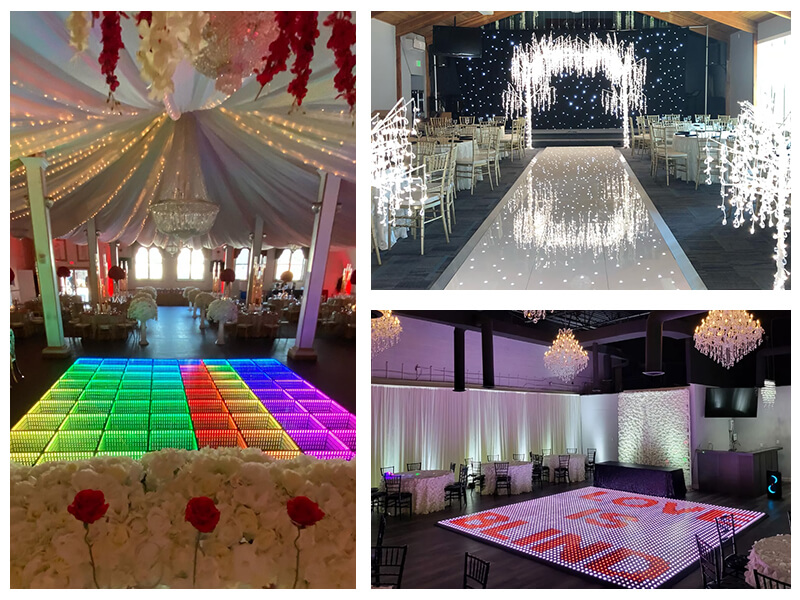
  • LED panels come in various sizes, typically 1.6 x 1.6 feet. That means you can fit them into almost any space—tiny rooftop, sprawling ballroom, you name it.

  • Customizable lighting effects—think color, pattern, even animation—turn the floor into interactive art. It’s like dancing inside a living painting.

  • Infinity LED dance floors create an endless light illusion. Guests step on, as if the floor stretches down forever. You’ll hear the gasps. Every time.

What’s Really Happening Under Your Feet?

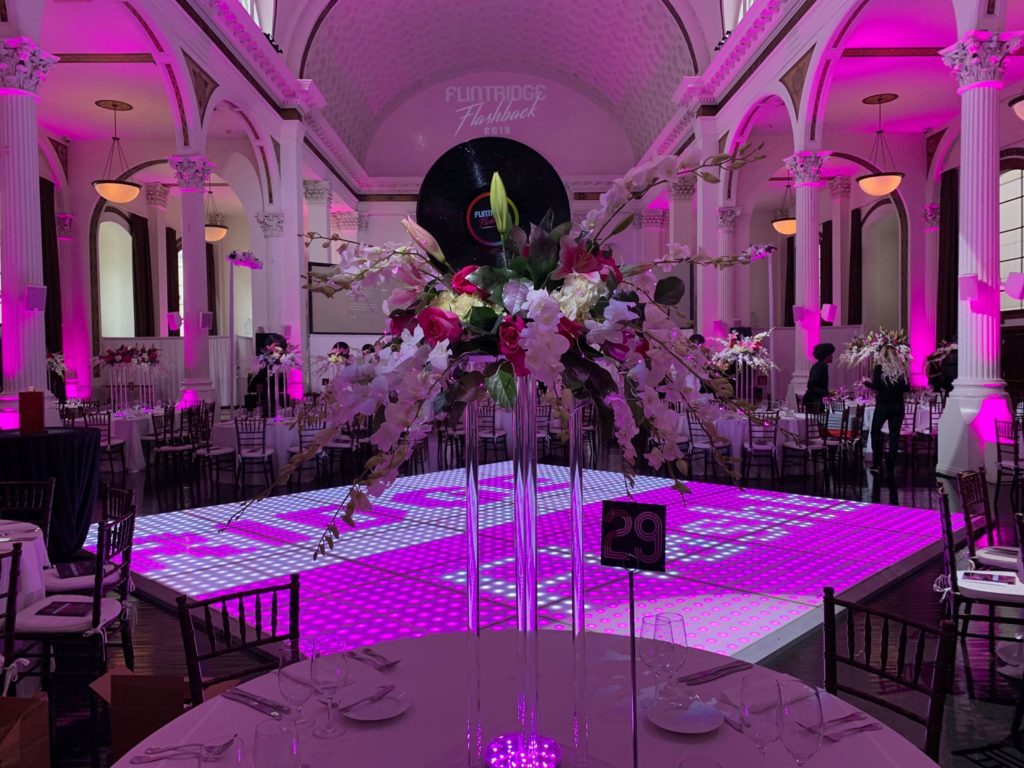
Let’s break it down. An LED dance floor is made up of interconnected panels. Each panel is packed with tiny lights—LEDs—that can change color, flash, swirl, or pulse. The result? A seamless, glowing surface that reacts to the beat, the mood, or even your footsteps.

Some floors are interactive. Step here, and the colors ripple out. Jump there, and the pattern explodes. Others can play video, show your logo, or display a custom animation. It’s not just a floor. It’s a canvas.

Infinity Floors: The Optical Illusion That Steals the Show

Infinity LED dance floors are something else. They use reflective glass and perimeter lighting to create a profound, endless effect. It’s like looking into a well of light. People can’t help but stop and stare. Or, let’s be honest, snap a photo for Instagram.

Types, Quality, and What to Look For

Not all LED floors are created equal. Some are simple—just colors and basic patterns. Others are high-res, video-ready, or pressure-sensitive. Here’s a quick cheat sheet:

Feature

Details

Standard panel size

1.6 x 1.6 feet

Panel quality

Pixel density measured in pixels/square meter (P/m²)

Types

Standard, infinity, interactive, video-enabled LED floor

LED Dance Floors - The Life of the Party

Why Do People Love Them?

  1. They’re interactive. Guests don’t just dance—they play, explore, and become part of the entertainment.

  2. They’re customizable. Want your wedding colors? Your company logo? A swirling galaxy? It’s all possible.

  3. They’re unforgettable. People talk about the floor long after the party’s over.

An LED dance floor isn't just a dance space—it's an experience, a statement piece everyone remembers.

So, next time you’re planning an event, ask yourself: do you want people to just show up, or do you want them to remember? Because with an LED dance floor, you’re not just setting the stage. You’re setting the mood, the memory, and maybe even the magic.


Crunching Numbers: What You’ll Really Pay for That Glow


LED Dance Floors - The Life of the Party

Crunching Numbers: What You’ll Really Pay for That Glow

Let’s Talk Dollars and Sense

You’re picturing the crowd, the music, the swirl of lights underfoot. But then reality taps you on the shoulder—what will this cost? The answer: it depends, and sometimes it depends a lot.

  • Rental costs for most standard events run from $1,800 to $5,000+. Prices can shoot much higher if you want something custom or plan a mega-party. There’s no ceiling for dreams, but there is for budgets.

  • Bigger dance floors mean more panels. More panels mean more dollars. It’s simple math, but it sneaks up on you. The panel size and count? Those are your most significant expense drivers, by far.

  • Extra features—think fast setup, video panels, or interactive effects—add to the price. And if your event falls on a busy weekend or in a hot city, expect surcharges. Sometimes, just picking a Saturday in June is enough to nudge the price up.

What Actually Impacts the Price?

  1. Size—Measured in square feet or meters. More space, more money.

  2. Panel Quality—Higher pixel density and brightness? That’s a premium.

  3. Special Features—Interactive, infinity, or video panels? Each one adds a little (or a lot) to the total.

  4. Date & Location—Big cities and peak dates cost more. Los Angeles, Maryland, DC, VA, NYC, Miami, and Philly each have their own price curves.

  5. Duration & Labor—Longer events or those needing lightning-fast setups require more crew, which means more cash.

Most providers, like Angels Music Productions, price panels per square foot. A 1.6x1.6-foot panel is standard, but it’s the number you need that really matters. And don’t forget: insurance is usually required. Some companies include extras like audiovisual rentals, event lighting, photo booths, AV, or even silent discos, which can be a lifesaver if you want one-stop shopping.

How Wild Can Budgets Get?

You might hear stories. Some folks spend as little as $700 for a tiny, off-peak rental. Others? They’ll drop $100,000+ for a sprawling, custom installation at a luxury venue. Most of us land in the middle, but knowing the extremes is good.

The LED dance floor is where memories happen—don’t cheap out, but know what you’re paying for

Rental Rates by City: A Quick Glance
Generated image

Rental rates depend on size, quality, special features, and timing. Providers like Angels Music Productions will offer more than just LED floors—think planning, audiovisual rentals, Event Lighting Rentals, photo booths, and more. Sometimes, it’s not just about the glow. It’s about everything that comes with it.

LED Dance Floors - The Life of the Party

How to Choose a Show-Stopping Dance Floor (And Not Get Burned)


How to Choose a Show-Stopping Dance Floor (And Not Get Burned)

Don’t Just Pick Any LED Dance Floor—Pick the Right One

You’ve probably seen it before: the lights dim, the music swells, and everyone’s eyes drift to the center of the room. The dance floor. It’s more than just a place to move your feet—it’s the heartbeat of your event. But here’s the thing: not all dance floors are created equal. Some sparkle, some fizzle. So, how do you ensure yours is the one people talk about for years?

1. Reputation Is Everything

Before you sign anything, check reviews—not just the ones on their website, but the real, unfiltered ones. Scroll through social media, ask around, and dig a little. Does the provider specialize in your type of event? Weddings, corporate galas, mitzvahs—each has its own vibe. You want someone who gets it.

And don’t forget insurance. It sounds boring, but trust me, you don’t want to be left holding the bag if something goes sideways. A reputable company will have coverage and won’t hesitate to show you proof.

2. Options, Options, Options

You wouldn’t wear the same shoes to a beach party and a black-tie wedding, right? The same goes for dance floors. Ask about the range of options—do they offer interactive LED panels, infinity floors, or just the basics? Can you customize the colors, patterns, or even display your logo?

Some providers, like Angels Music Productions, go way beyond the basics. They offer everything from Audio Visual Rentals, Stage lighting, photo booth, and custom effects. Want a floor that reacts to your guests’ steps? Or maybe a video floor that plays your highlight reel? Don’t be shy—ask for the moon. Sometimes, you get it.

3. Timing Is Everything

Ever seen a crew scrambling to finish setup as guests are walking in? It's not a good look. Ask about setup time. How early do they arrive? How long does it take? What if you need a last-minute change? After-sales support matters, too. If something glitches mid-party, will someone be there to fix it?

Custom requests can be a lifesaver—or a headache. Make sure your provider is flexible. Those little details separate a smooth event from a stressful one.

4. Look for the Extras

Sometimes, it’s the add-ons that make the night unforgettable. Some companies include photo booths (think 360, Filters Photo Booth, Magic Mirror, Tiktok Booth), DJ services, silent disco setups, or even themed event add-ons. These extras can turn a good event into an extraordinary one.

As Asi Vidal, CEO of Angels Music Productions, puts it:

It’s not about renting an LED dance floor, it’s about setting the energy for every guest.

LED Dance Floors - The Life of the Party

Why Angels Music Productions Stands Out

Let’s be real—experience counts. Angels Music Productions is insured, verified, and BBB reviewed, and it brings over 20 years of event expertise to the table. Their team, led by Asi Vidal, knows how to turn a vision into reality. Whether in Los Angeles, CA, or beyond, they will help you from their Los Angeles Office. Need to talk? Call 949-394-2572 or email info@angelsmusic.net—they’re open Monday through Friday, 9 to 6.

Final Thoughts

Choosing a dance floor isn’t just about picking a rental—it’s about selecting the energy, the memories, the stories your guests will tell. So, do your homework. Ask the tough questions. And when you’re ready to make your event extraordinary, you’ll know exactly where to step.

TL;DR: LED dance floor rentals can take events from bland to legendary. Know your options and costs, and must-ask questions to ensure the lighting shines on your big night.